6 BEST Pieces Of Business Advice That Made Me Millions | E103
Ask about The Diary Of A CEO
Episode Description
This weeks episode entitled "6 BEST Pieces Of Business Advice That Made Me Millions" topics:
0:00 Intro 0:54 Where do I best focus time? 5:57 Important character traits to build a successful business. 13:10 How to overcome imposter syndrome. 16:42 How to reach out to senior level people. 21:54 Three things to look out for to know you’re on the right path to success. 24:16 What gets you out of bed in the morning.
Join my Telegram community to ask me questions - https://t.me/joinchat/ou7M4_mF7Jw1OWQ0
The Diary Of A CEO live - Sign up here - https://g2ul0.app.link/diaryofaceolive
FOLLOW ► Instagram: https://www.instagram.com/steven/ Twitter: https://twitter.com/SteveBartlettSC Linkedin: https://www.linkedin.com/in/steven-bartlett-56986834/
Listen on: Apple podcast - https://podcasts.apple.com/gb/podcast/the-diary-of-a-ceo-by-steven-bartlett/id1291423644 Spotify - https://open.spotify.com/show/7iQXmUT7XGuZSzAMjoNWlX
Sponsor - https://uk.huel.com/
Read the full transcriptHide the full transcript
- quick one the dire ceo live my live show my live reincarnation of this podcast is
- coming on tour and it's coming to a city near you there's a link in the description below put your email address
- in and i will email you when tickets go on sale can't wait to see [Music] i get so many questions from all of you
- guys in my dms in the comment section on youtube everywhere so i want to try something new i'm going to start
- answering some of those questions that i've historically answered privately in public so more of you can gain access to
- those answers i asked everybody in my telegram community to submit videos of questions that they want answered from
- me and in this video today i'm going to answer those questions with total total honesty and these questions range
- across business to personal questions to questions about relationships and mental
- health and challenges that you're facing so here is the first question you asked me this
- week my name is daniela i'm 18 and i'm about to enter my first year you need to study
- economics i have a lot of commitments i'm running a business my business partner i'm making music i'm learning
- languages and i'm playing sports and i worry that my focus is split how do you suggest i move forward do you
- think i should grip my teeth and balance everything to the best of my ability or
- do you think i should prioritize and sacrifice for better quality output despite loving every single thing i'm
- looking forward to your response thank you so much for listening i think the single biggest lesson that i
- learned when i was starting off early in my business career was the importance of
- focus and i had this drummed into me by one of my investors one day when i came to them and presented this new idea
- which was an addition to the current company that i was building and they hit me really hard with this like verbal
- whip and told me they said steve focus is everything and that stayed with me i was annoyed at the time because
- naturally when you're a creative person and a very inspired person as many of us
- are you have so many ideas and the problem is you can't take on all of those ideas at once and any attempt to
- do so compromises each individual idea so if you have three ideas and you're giving them 33 of your time each the
- chance of mastery or success in any of those things is drastically drastically reduced and especially when it comes to
- business if you're giving anything less than 100 of your focus to your business you you can rest assured that there are
- very competent probably better funded competitors out there that are giving 100 focus and your time is the only currency
- that you have so making the decision to invest only a part of your time and focus into what you're doing is a
- decision to reduce the chance of a really successful outcome and here's another thing so i don't know how
- solid this is as advice but honestly when you're young and you're broke and you're bootstrapping focus matters even
- more so for me what i would do and when i think about the 50 years of my career is at the very
- very start i'd go very very very narrow and i'd try and succeed in something that'll be the gateway if it is
- successful to me being able to build my resources my financial resources my team
- so that i can focus on multiple things and that's really the trajectory i've taken in my life i at 18 years old
- focused on one thing one business idea and really nothing else and when i say nothing else i also mean a lot of
- personal things were sacrificed i focused on that for the for about seven years in total that business became a
- success i now have resources to allocate against multiple things that i want to do which frees up
- more time so i can start companies now and not even be the ceo of these businesses but when you're when you're
- starting out in life in your career that's not a luxury you have so my advice for young people would be to do
- everything in your power to focus in business what we do is we operate in sprints which means when you have an
- idea you assemble a team around it and you focus them for a dedicated and predetermined period of time say three
- months or six months only on that idea to give it its best possible chance of success and after those six months you
- assess it and you make very brutal very honest very ego-free decisions whether to continue or not that's how i like to
- think about focus and projects and how to make the decisions around allocating your time what you really should do if
- you want to give an idea its best possible chance of success if you want to give djing your best
- possible chance of successful writing that book or becoming a content creator is you should look at the task and
- dedicate the next six months to doing that and only that if you allocate time to other things in that period you're
- reducing the chance of a positive outcome for that one thing and i i tend to see as well especially young
- entrepreneurs when they have multiple businesses and multiple things they're pursuing in multiple things they're
- trying to master at the same time as the phrase goes they become the master of none which means they kind of stumble
- through life never really achieving any real substantive success because they've
- spent all of their life trying things in a half-assed timid way if you want to be
- successful if you want to get mastery in anything that matters to you here's where discipline really really matters
- you have to install into your mind something i call the sunday shelf which is inspiration comes to you you have a new
- idea when you're walking down the street or in the shower you think that's brilliant that will be a multi-gazillion
- dollar idea we all do it if you want to be successful don't then add it into your successful idea don't then try and
- contend with two different ideas and give 50 to each put it on the sunday shelf and see if it nags you the great
- ideas will sit there on that someday shelf and they will nag you and if it nags you for long enough
- six months for a year then maybe it's time to take action but my mind has a someday shelf on it that has hundreds
- and hundreds of hundreds of things on it and if something sits there for more than a year more than six months and
- it's still screaming at me and it doesn't dissolve away and collect dust on the sunday shelf and
- disappear into the back then i pull it forward and i put a plan in place to give it the sprint it deserves to
- resource that idea and give it its best possible chance of success hiya stephen my name's chloe and my
- question to you is what do you believe to be the most important character trait that a person has to possess in order to
- achieve a hugely successful business i would love to know in terms of character traits to build
- really successful businesses i kind of think of it in stages and i think of it in stages of the business's life the
- question here is about the character traits it's not about skills or talent or resources it's about character so at
- the very start of launching your company the most important character trait is self-belief is believing that you can
- because businesses they feel like mount everest at your doorstep and they look like incredibly daunting tasks that you
- typically don't have a ton of experience in overcoming right you don't you've never
- climbed to mount everest before you don't have the resources you don't know how to get up there you don't have the
- experience to rely on so there has to be somewhat an extreme level of delusion self-belief to even want to start doing
- something you've never done before and then when it comes to creating really innovative things you're bringing
- something into the world that even the world hasn't seen so that's where having a belief that
- this thing can exist and having that self-belief is also incredibly important this is just kind of the inception point
- of the business and when you go out into the world and you start telling people about your amazing business idea and how
- successful you think you're going to be and that you're going to be able to change the world in some type of way or
- solve a problem in a new way you're going to get tons of positive feedback from your friends maybe but
- also a ton of resistance whenever one of my friends starts a company and they ask me for one piece of advice
- i always say the same thing i say there's gonna become a day in your company where things are just
- awful where it's so unbelievably painful i've never seen it not happen so i can say would say it
- with such a high degree of conviction that it is going to happen to you so let's not argue about you know how we
- stop it happening because it will find you at some point let's start thinking now about what it takes to overcome that
- day it requires a ton of resilience it requires a ton of self-belief um it requires a certain temperament where
- someone defaults to logic and reason and not emotion because when emotion arrives
- in on that day then your decision-making will go down and you'll make really bad
- poor decisions that often exacerbate the problem but the first encounter of the 35 packages of [ __ ] will build
- evidence that you can overcome and i think that will compound in your favor over time i think self-belief and
- resilience are probably the number one and number two character traits of anybody that wants to be wildly
- successful in business and then quite honestly everything else is outside of character
- traits i mean of course it matters to be really really nice of course it does that's that's a
- a factor that will increase your probability of success of course it matters to be you know have a great
- sense of humor but i think those two are at the very core of what it takes to be
- successful especially when you're a startup and then everything beyond that is quite often luck it's quite often
- outside of your control especially in industries like technology and when you're building products because the
- question then becomes okay i was resilient i had belief but does the market care and is their product market
- fit do people want to use my website my social network my app do they want to use my product that i've invented and
- that's somewhat outside of your control however what is in your control in that phase let's call this phase two
- of business is your humility and ego which will often show up stubbornly trying to prove that you were
- right and entrepreneurs like me in the past have been too romantic about our initial hypothesis about how we
- thought our product was going to be used how many people would we would use it the problem it would solve and you look
- at your product and you see clearly in the data that people are using in a different way they want a different
- thing that is outside of your original thesis your original hypothesis and some people
- at that moment they'll stubbornly try and push their original idea their hypothesis into existence let's increase
- the marketing let's educate the user base but really if you're humble enough and you're not
- attached to your ego you're attached to the outcome and success of the business you'll say let's pivot
- let's change what we thought was true to fit what we now know is true and that's where i think humility and and
- a little bit of experience because i think experience generates humility comes from
- you know when i sit here on the podcast i speak to people like tom from monzo and other founders of
- these massive companies that have disrupted industries one of the things they consistently say to me is
- i now know it was 10 times harder than i thought and we were like 10 times wrong in our initial hypothesis about
- how this business would play out than i originally realized throughout all of this as i've said multiple times in my
- podcast from day one to the day that you exit the business for a 500 billion dollars sales is everything sales is
- every single touch point and also especially as your business gets bigger and bigger and bigger it's incredibly
- important to be self-aware because there's going to be a million things that you're actually not that good at
- that need to be done within your business there's going to be a million things whether it's finances or you know
- typing into excel sheets or it's creative or it's whatever and so many entrepreneurs i know especially young
- inexperienced entrepreneurs that i know fail late in the day their business explodes at first and then plateaus and
- then declines because they didn't realize that they needed to put in place another ceo
- because for them the ego here of replacing themselves and giving someone that very prestigious very lauded title
- wasn't worth it i can also think of the opposite i can think of companies like jim shark like huell like tarla grace
- beverly's business where those founders have said you know what there's someone better to run the
- company it's super successful i'm going to get out of its way and i'm going to spend all of my time doing something
- else that i'm uniquely positioned to do this is an incredible incredibly important skill and even in the
- companies that i found now i say to myself am i really capable of being the ceo is that really where i should be
- playing and in the two businesses that i founded since leaving social chain i am
- not the ceo because that is not what i'm best at and i'm more attached to the outcome
- and the success of that business than i am of having that title which might get some brownie points from people that
- don't really matter anyway you know i hate i hate powder i hate mixing powder with water i
- hate protein powders that you have to mix with water up until now and um obviously he'll
- sponsor this podcast so i'm tremendously biased but that's a that's a true story
- i've never been able to use the like my protein powders that you mix with water because i always think they taste
- absolutely awful up until hull released their brand new protein flavor the amazing thing about
- all of these proteins is there's 20 grams of protein you get all of your vitamins and nutrients 26 of those and
- as huel always is it's nutritionally complete and if you are someone that's trying to
- go a little bit lower on the calories it's only 105 calories so when i wake up in the morning especially i've been
- working out a lot lately come downstairs quickly blend it together in my nutribullet
- drink it's 100 calories and then my next sort of main meal because i'm a breakfast skipper will be
- at lunch time highly recommend it um and i shouldn't say this because i don't have any approval to say this but
- there's some amazing amazing flavors coming in the ready to drink range that i've been lucky enough to try um
- and one of those is my new favorite flavour so stay tuned hey steven hop all as well so my
- question is with regards imposter syndrome have you any feedback regards how to deal with that have you
- experienced it yourself and just how to go about like getting out of that mindset and acknowledging that you
- are potentially as good at your role as what people think you are and you're not
- bluffing it or fluking it and so on thank you so here's the thing i think we all feel
- deep within us the same feeling any time we're in a position that feels a little
- bit outside of our comfort zone sometimes that feels like a little bit of nerves in your chest for example when
- i go up on stage and i know there's 10 000 people behind the curtain of course i feel that in my chest of course i have
- that tingling that sensation that they call butterflies however i don't interpret it as being fear as being a
- signal to escape or to avoid the scenario my interpretation which has grown over time and our interpretations
- are influenced by our beliefs the stories we tell ourselves based on the evidence we have based on our
- experiences and my evidence my interpretation tells me that i'm ready that this feeling is normal and i'm
- supposed to feel this way people sometimes because of their experiences and the evidence that's created and the
- stories that's made them believe about themselves will tell themselves that that feeling is fear that they should
- run that they are ill-prepared that that feeling is there because they aren't competent enough to complete this task
- so what i'm saying is we all get the feeling but the story we tell ourselves is ultimately what creates what some
- people call imposter syndrome for me if you look at my life i've kept myself one
- step outside of my zone of comfort for my entire life of course i've never been a dragon on dragon's den no one in their
- first year has been i'm looking to my left and seeing peter jones who's been there for 17 odd years and deborah meade
- and to my right who's been there for 15. i am new however i'm supposed to spend my life in
- situations where i am an imposter that is the sign of growth if i'm ever spending
- too long in a room or situation where i don't feel to some degree like an imposter i am in the wrong room and if i
- am to grow and growth is an incredibly important part of being stimulated and motivated and being fulfilled i have to
- change rooms for me in my life i've spent my entire life trying to escape my zone of comfort and keeping myself one
- foot outside of that zone of comfort when you do that what you find is that zone of comfort expands you take one
- more step and it expands again every person that's ever done anything for the first time whether it's ed sheeran
- singing to a group of people before or barack obama doing one of his speeches or usain bolt running in a track when
- they first started they were inexperienced and incapable so you should expect and welcome that feeling
- it's a feeling you're supposed to have if you're somebody who wants to spend your entire life growing and progressing
- and learning which are all things conducive with fulfillment you should always feel like an imposter if you're
- not i would assert that maybe maybe you're playing it too safe maybe you aren't challenging yourself enough
- so for me what people call imposter syndrome isn't evidence that you're in the wrong situation one that you aren't
- supposed to be in it's clear proof that you're in the right one you're exactly where you're supposed to be i'm i'm
- supposed to spend my entire life doing things that make me feel somewhat like an imposter that is the answer to a
- happy fulfilling progress full life where i'm striving forward i'm trying things i'm challenging myself and i'm
- pursuing goals that are worthwhile we should all feel impostor syndrome so if you're not then it's time to challenge
- yourself more hi steve my question to you is starting off in an industry in my case healthcare and
- medicine how do you approach someone at more senior level and at level that you want to be at
- to ask them for mentorship or to be able to help you along the journey that they've been on
- is there anything that you could say do or offer them that would make them more inclined in taking you on board
- thank you so much the answers to these these complex especially professional questions as it relates to asking people
- and progressing are always so simple yet we complicate them and that would be my
- answer genuinely it would be the person you're speaking to put yourself in their
- shoes how busy are they what are their interests what do they want what could you say to them to make them give you
- something very precious to them which is their time and like if you can't answer
- that question i i you know oh it makes me slightly concerned because that's an inability to
- put yourselves in the shoes of somebody else and that is life that is sales that is every single day that is
- empathy so say there's somebody at the top of my organization and i want them to mentor me or there's someone even
- outside of my organization and i want them to be my mentor the first thing i do is i you know if it really helps you
- actually pretend to be them write it down on a piece of paper what their life looks like let's just do steve barlet
- you're asking steve butler to mentor you so steve bartlett's day is he has an unlimited things that people are asking
- him to do he's getting thousands of dms on social media they're all asking him for stuff they're asking him for time to
- go for a coffee to pick his brain to be on his podcast to speak at their event to do their show whatever it might be so
- that's probably a really dumb place to join the noise super saturated um probably you know he's probably got a pa
- defending those inboxes we're not gonna [ __ ] try that that would be a stupid thing to do let's find the least
- saturated channel probably quite honestly probably the post or probably you know look at his channel hierarchy
- probably twitter there's probably less people there a channel where he's he's um he's showing like he's responding
- more but there's there's less people competing there for his time so we might go for the post or for twitter so let's
- now pretend that you've got his attention you've sent something in the post you've written a tweet you've
- written a twitter dm you've got his attention once you have his attention you need to convert it and to do that
- you need to understand his psychological incentives you have to know what i want
- you have to solve a problem that i'm looking for you have to appeal to my ego you know steve oh my god i've listened
- to every single podcast right you have to understand the dynamics of my life i know you have absolutely no
- time i am this person right and that's an appeal you're making to maybe my empathy
- to my care i am this person i'm 18 years old one day i hope to you know build a business like social chain because i've
- listened to every single one of your podcasts it would literally be my dream if i could just stand in the background
- of one episode one time i promise i won't say a word it would literally change my life right so what you've done
- there is you've appreciated you're not asking me for much you've hired you've appreciated the fact that i'm busy by
- saying i'm just gonna stand in the background which means you're asking me for zilch nothing and then you might end
- up by saying and off the back of it my friend works at this newspaper or this magazine or has this blog i'm gonna
- write a full transcript of my experience this would be and then again you're telling me that i'm gonna get something
- in return right and then i look at it as a proposition you've touched my ego you've made me you know care through
- empathy you've asked for nothing in return of my time and you've offered me a reward which is
- you're going to put it somewhere you're going to write it somewhere you're going
- to help me by extending the reach for me that's kind of the broad structure of a
- perfect cold email asking for something from someone that has no you know right to give it to you is incredibly busy and
- is being asked a lot the worst possible case scenario let me give you the worst possible case scenario hi steve
- uh someone mentioned you the other day which means that you don't know who i am and you've not bothered to do your own
- research um i want you to mentor me uh let me know when to start and then you've ended that with the let me know
- when to start or whatever which is a total presumption and sort of disrespect and disregard of my time and my ability
- to make that decision and then yeah and also what you've done with that message because it's so short and ill-conceived
- you've proven to me that you're lazy and that you're not creative and that you're
- probably not someone that's going to bring much value to my life and that's genuinely how it works in my life i
- swear to god i get dms from young people they literally say r letter r space there
- any jobs go in you've you've perfectly ruled yourself out with that message of ever working
- for me ever because you've told me that you're both uncreative and lazy in only a couple of words it's a remarkable
- thing to achieve with such few amounts of words you've told me you're lazy and uncreative you will never work for
- anything that i do in my entire life if i ever see that message it shows that you don't actually give a [ __ ] either
- like you didn't even go on the website to see if there were jobs going or you didn't you know so
- that's the that's the antithesis of creativity attention to detail care and ultimately success
- and you know for some [ __ ] reason people still do it what are the three things that you would
- look out for to know that you're on the right path for success so the first thing is definitely enjoyment if you're
- not enjoying it especially an early stage when it's going to be most difficult then the chance of you being
- successful is somewhere below one percent that is the single most important thing
- are you enjoying it if the answer is no then honestly you should quit because it's only going to get more
- difficult and the thing is we also tend to shy away from things we're not enjoying we tend to procrastinate away
- from them because they create psychological discomfort so if you're not enjoying it you're probably also
- going to do a pretty shitty job in it it's hard to show up for something every single day that you're not enjoying the
- second thing is at the very start of your business there's not going to be a ton of
- evidence that it's going well there's probably not going to be a ton of revenue probably not going to be a ton
- of users but there will be evidence of progress evidence that you're getting better
- evidence that you're making marginal gains and for me and even with this podcast i don't necessarily look for
- results today or more viewers or more downloads or more revenue what i'm looking for is is this
- thing getting one percent better week over week because it only then takes 100 weeks for us to be 100 better and that
- means we're moving in the right direction and lastly i would say you're looking for some kind of validation of
- your hypothesis so in the context of this podcast my validation would be am i getting feedback from people and from
- the data that they are enjoying the format and the concept are they coming back next week there might not be
- thousands of people yet there might just be 10 but are those 10 people inviting one more and making my audience 11
- people and there's always some evidence even at the very very start of your business especially if you've built it
- in a lean way just to test your hypothesis that your hypothesis is being validated
- that your product does have market fit that people are enjoying the content you're creating and that can act as a
- tailwind to create it belief to create enjoyment and motivation which will spur you on to carry on going so to summarize
- are you enjoying it are you making marginal gains i.e progress and lastly has your hypothesis
- shown some evidence that it is correct is there product market fit are people enjoying what you're making are they
- coming back again hey steven and again um nice to uh hook up with you um my question is um i've
- been watching a lot of podcasts a lot of motivation does help me a lot um i've struggled over the years with anxiety
- depression i've gone through a bit of about a bit lately and just wondering where you get your motivation from um
- what makes you tick um and what makes you get out of bed every day um i'll get there i'm looking for other
- avenues and uh you're inspiring me every day and uh just wanted to know really what
- motivates you and drives you so it's kind of ironic that within your question lives the answer to your question you
- said at the start of that that you listen to this podcast it gives you value and it's helped you
- that's the reason why i get out of bed in the morning purpose and so for me the thing that drives me in any sort of
- discipline or pursuit or ambition or hobby that i have it's very very simple and i've said this many times before it
- has to be a worthwhile goal that's challenging that i can pursue with people i love and what you said
- about how this podcast has helped you is the reason it's worthwhile to me of course it's challenging it takes tons of
- my time the production takes a lot of effort but it's a worthwhile challenge so it's one worth pursuing and lastly i
- get to do it with people that i actually love and that's just a real fundamental
- thing about human beings because you can be pursuing a goal that means the world
- to you a goal you love a goal that feels incredibly worthwhile and meaningful but
- if you're doing it with people that are toxic in a toxic environment it then becomes unworthwhile
- it loses its enjoyment and the people you're pursuing a goal with are intrinsically attached to the
- motivation to pursue it so the thing that gets me out of bed and the the prism in which i make my decisions
- through in my life is is this a worthwhile goal worthwhile is totally subjective it's how it makes you feel
- inside here is it a challenge because the science says if something isn't challenging you your motivation will
- decline and are you doing it are you pursuing it surrounded by people you love that'll make it a way more enjoyable way
- more sustainable pursuit thank you for all of your questions and if you want to put a question to me the
- details on how to do that are down below in the description i hope you enjoyed this new segment and i can't wait to
- answer your question next week [Music]
Brief Summary
Steve Bartlett answers audience questions on focus, success traits, and overcoming imposter syndrome in business.
Key points
- The Importance of Focus. Steve emphasizes the need for focus in business to achieve success. "Focus is everything."
- Embracing Imposter Syndrome. Steve discusses how feeling like an imposter is a sign of growth and challenge.
- The Importance of Empathy. Understanding others' perspectives is crucial in life and sales.
- Crafting the Perfect Cold Email. Learn how to ask for someone's time effectively.
- Signs of Success in Business. Look for enjoyment, progress, and validation of your hypothesis.
- Finding Purpose. Purpose drives motivation and makes challenges worthwhile.
Episode highlights
- The Importance of FocusSteve emphasizes the need for focus in business to achieve success. "Focus is everything."1:30Oct 24, 2021
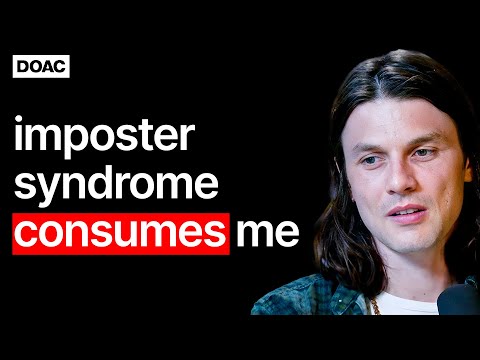
- Embracing Imposter SyndromeSteve discusses how feeling like an imposter is a sign of growth and challenge.“You should expect and welcome that feeling of being an imposter.”16:14Oct 24, 2021
- The Importance of EmpathyUnderstanding others' perspectives is crucial in life and sales.“That is life, that is sales, that is every single day.”17:40Oct 24, 2021
- Crafting the Perfect Cold EmailLearn how to ask for someone's time effectively.“You've touched my ego, you've made me care through empathy.”20:05Oct 24, 2021
- Signs of Success in BusinessLook for enjoyment, progress, and validation of your hypothesis.“Are you enjoying it? Are you making marginal gains?”24:01Oct 24, 2021
- Finding PurposePurpose drives motivation and makes challenges worthwhile.“The thing that gets me out of bed is purpose.”25:02Oct 24, 2021